Islamic vs Conventional Personal Loan Differences: Sharia Financing Explained
Islamic vs Conventional Personal Loan Differences: Sharia Financing Explained
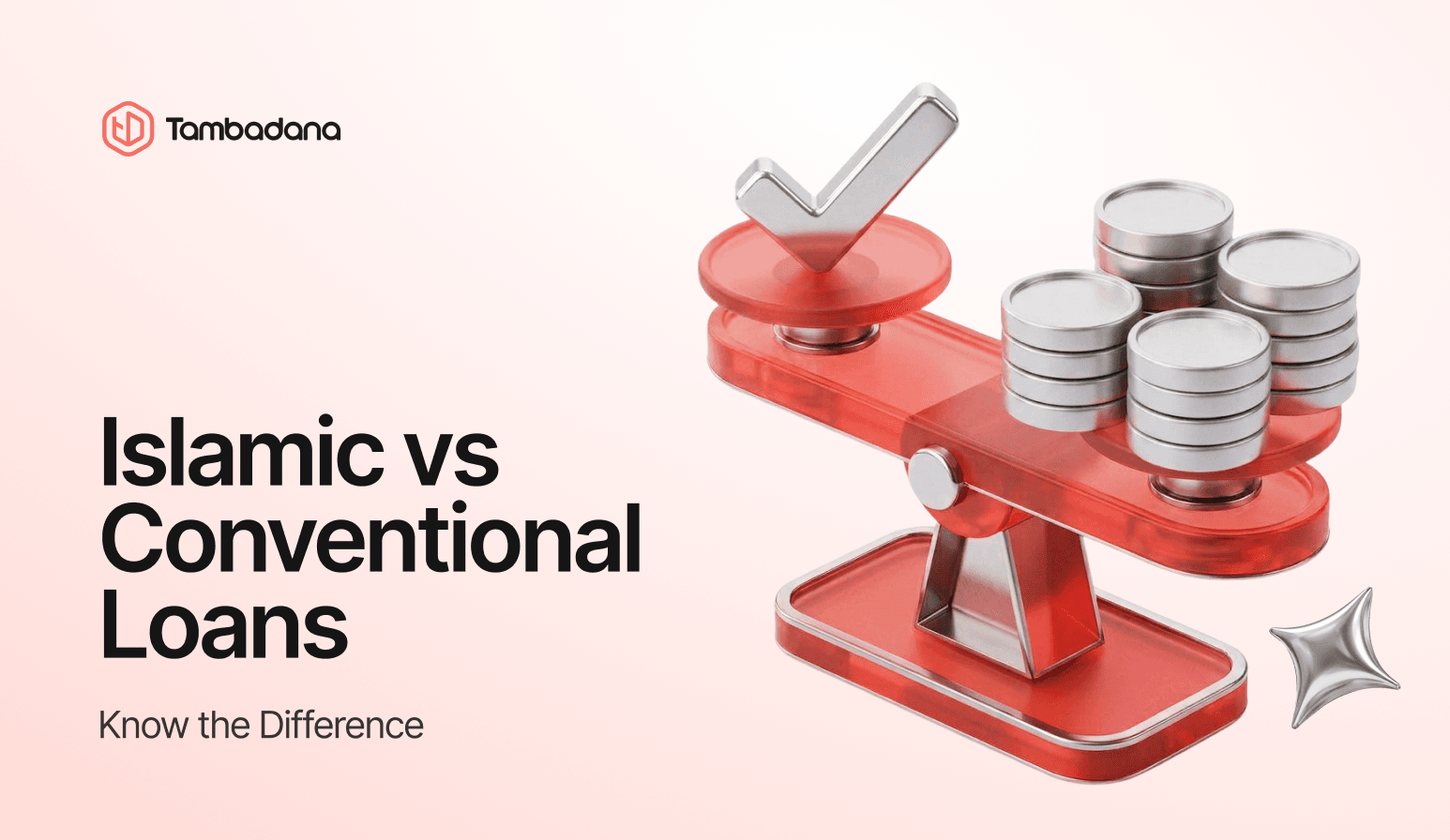
Choosing the right personal loan in Malaysia can be challenging, especially when comparing an islamic personal loan with a conventional credit facility. This guide explains to a customer the key differences between islamic finance and conventional banking, including principles, financial structures, compliance, interest rate factors, and monthly instalment commitments, helping you choose the right personal financing option.
Islamic Loan
What Is an Islamic Loan?
What is islamic loan? An islamic loan is a credit facility structured in accordance with Sharia law, which prohibits riba (usury or excessive interest). Rather than charging a fixed interest rate, islamic personal financing relies on asset-backed contracts and profit-sharing arrangements approved by the financial services authority in Malaysia, namely Bank Negara Malaysia (BNM) and the Sharia Advisory Council (SAC). Sometimes called loan syariah or halal financing, these products allow customers to pay for goods and services without engaging in interest-bearing transactions.
Principles of Islamic Finance
Islamic finance is governed by a clear set of ethical rules. Every sharia compliant loan must adhere to the following principles:
- Prohibition of Riba — No interest rate may be charged or received; profit must come from legitimate trade or shared risk, making every halal financing product riba-free by design.
- Asset-Backing (Tangibility) — Every islamic transaction must be tied to a real, tangible asset or service; speculative or purely monetary exchanges are forbidden under sharia compliant loans.
- Risk-Sharing — Profit and loss must be shared fairly between the bank and the customer, aligning the lender's incentives with the borrower's success.
- Prohibition of Gharar — Excessive uncertainty or ambiguity in contracts is forbidden; any islamic personal loan offered in Malaysia must have all terms transparent and clearly defined before signing.
- Prohibition of Haram Activities — Funds must not be used to finance alcohol, gambling, pork products, or any other activity deemed unlawful under Sharia law.
- Social Justice (Maslaha) — Islamic banking promotes community welfare; financial products must benefit society rather than exploit vulnerable borrowers.
Islamic Financing Models / Contracts
Several Sharia-compliant contracts form the backbone of islamic personal financing available in Malaysia:
- Murabaha (Cost-Plus Financing) — The bank purchases an asset and resells it to the customer at a pre-agreed markup. The monthly instalment is fixed, and the total amount to pay is fully disclosed upfront — no hidden charges.
- Bai Inah — A sale-and-buyback concept widely used in islamic loan Malaysia products. The bank sells an asset to the customer on a deferred payment basis, then repurchases the same asset at a lower spot price. The customer receives cash while the bank earns a profit margin. Though controversial among some scholars, Bai Inah remains a legally accepted model under Malaysian Sharia standards.
- Tawarruq (Commodity Murabaha) — In the Tawarruq concept, the bank buys a commodity (e.g., crude palm oil) and sells it to the customer at a deferred price. The customer immediately sells the commodity on the open market for cash. Tawarruq is the most common structure behind islamic personal loan products in Malaysia today because it efficiently generates liquidity without direct interest.
- Musharakah Mutanaqisah — A diminishing partnership model where the customer gradually buys out the bank's share in a co-owned asset over time; monthly instalment payments reduce the bank's equity stake.
- Ijarah (Lease-to-Own) — The bank purchases an asset and leases it to the customer for a fixed monthly instalment; ownership transfers at the end of the lease term.
- Qard Hassan — A benevolent, interest-free loan intended for hardship cases; the borrower repays only the principal amount with no profit element.
Conventional Loan
What Is a Conventional Loan?
A conventional loan is a credit facility offered by mainstream banks under standard financial law, without Sharia compliance requirements. It is based on interest, where the customer borrows an amount and agrees to pay it back with an interest rate over time. Conventional banks in Malaysia are regulated under the Financial Services Act 2013 by the financial services authority, Bank Negara Malaysia.
Key Features of Conventional Banking
Conventional financing products may include:
- Term Loan — A fixed personal loan with set tenure, interest rate, and predictable monthly instalment.
- Overdraft Facility — A revolving credit line where interest applies only to the utilised amount.
- Hire Purchase — Vehicle financing where the customer makes monthly installment payments including principal and interest.
- Revolving Credit / Credit Card — A short-term facility with high interest rate penalties on unpaid balances, often costly for customers.
- Fixed-Rate Personal Financing — A personal loan with a locked interest rate and clear monthly installment planning.
- Variable-Rate Loan — The interest rate changes with market conditions, so monthly installment amounts may rise or fall for the customer.
Differences: Islamic vs Conventional
The table below summarises the core differences between islamic and conventional personal financing:
Penalties
In Malaysia, islamic personal financing early settlement may include an ibra' rebate, so the customer pays less than the contracted amount. Late payment may trigger a ta’widh charge capped by Sharia guidelines. Conventional loans often include penalty fees and may compound interest, increasing the total amount owed by the customer.
Regulation and Compliance
Both islamic and conventional personal loan products in Malaysia are regulated by Bank Negara Malaysia, the central financial services authority. However, shariah compliant loan products require extra oversight from a qualified Sharia Supervisory Board and the national Sharia Advisory Council, helping ensure islamic personal financing follows islamic finance principles, while conventional banks follow standard financial regulations.
Benefits and Limitations of Islamic Personal Financing
Islamic personal financing in Malaysia comes with a distinct set of advantages and trade-offs compared to conventional lending. Understanding both sides helps customers make informed decisions that align with their financial needs and values.
Advantages
- Ethical and Riba-Free — Halal financing removes interest, making islamic personal loan products suitable for Muslim customers avoiding riba.
- Full Transparency — Total profit and monthly instalment amount are agreed upfront, unlike some conventional variable-rate loans.
- Sharia Governance — Every sharia compliant loan is reviewed by religious scholars, unlike conventional financing.
- Ibra' on Early Settlement — Customers who settle early on islamic loan Malaysia products may receive a rebate, reducing the total amount they pay.
- Inclusive Design — Islamic personal financing is also open to non-Muslim customers in Malaysia seeking loan syariah options with clear terms.
- Asset-Backed Security — islamic finance requires underlying assets, reducing reliance on speculative conventional financial products.
Challenges
- Perceived Complexity — Contracts like Tawarruq and Bai Inah may confuse customers unfamiliar with islamic finance terms.
- Scholarly Controversy — Some Sharia scholars question Bai Inah and certain Tawarruq structures.
- Limited Flexibility — Fixed profit amount means customers may not benefit from falling rates like with a variable conventional loan.
- Documentation Requirements — Asset-backed deals, especially under Tawarruq, may require more paperwork than a conventional personal loan.
- Availability — Not every financial institution in Malaysia offers a full islamic personal loan portfolio, so some customers may have fewer halal financing options.
Tazee — Your Trusted Partner for Sharia-Compliant Financing
At Tazee, we help customers across Malaysia compare islamic and conventional personal financing options with confidence. Whether you need a shariah compliant loan based on Tawarruq, want to explore Bai Inah facilities, or compare interest rate packages, our certified islamic finance consultants can guide you. With Tazee, you can compare rates, calculate your monthly instalment, and apply for an islamic personal loan in one place. Start your halal financing journey and manage your personal financial needs the Sharia-compliant way.
Conclusion
The difference between islamic and conventional banking comes down to philosophy: one loan system follows ethical Sharia principles and asset-backed contracts, while the other is based on interest. For Muslim customers in Malaysia, an islamic personal loan can offer transparency, fixed monthly instalment structures, and consumer protection under islamic personal financing regulation in Malaysia.
Whether you choose an islamic loan under Tawarruq or Bai Inah, or a conventional personal loan, compare the full cost — including interest rate, penalties, and total amount to pay — before making a financial decision.